

Practical production supporting farm development
Casuarina integrated into productive land use
Casuarina supports timber production, shelter and the practical development of agricultural land.
Timber production
Casuarina is cultivated as a practical wood crop that can contribute additional value within a diversified agricultural operation. Its role is not purely decorative; it adds usable output and supports the wider farm plan.
When managed with care, it becomes part of a productive system that balances planting, protection and long-term land use.
Windbreak applications
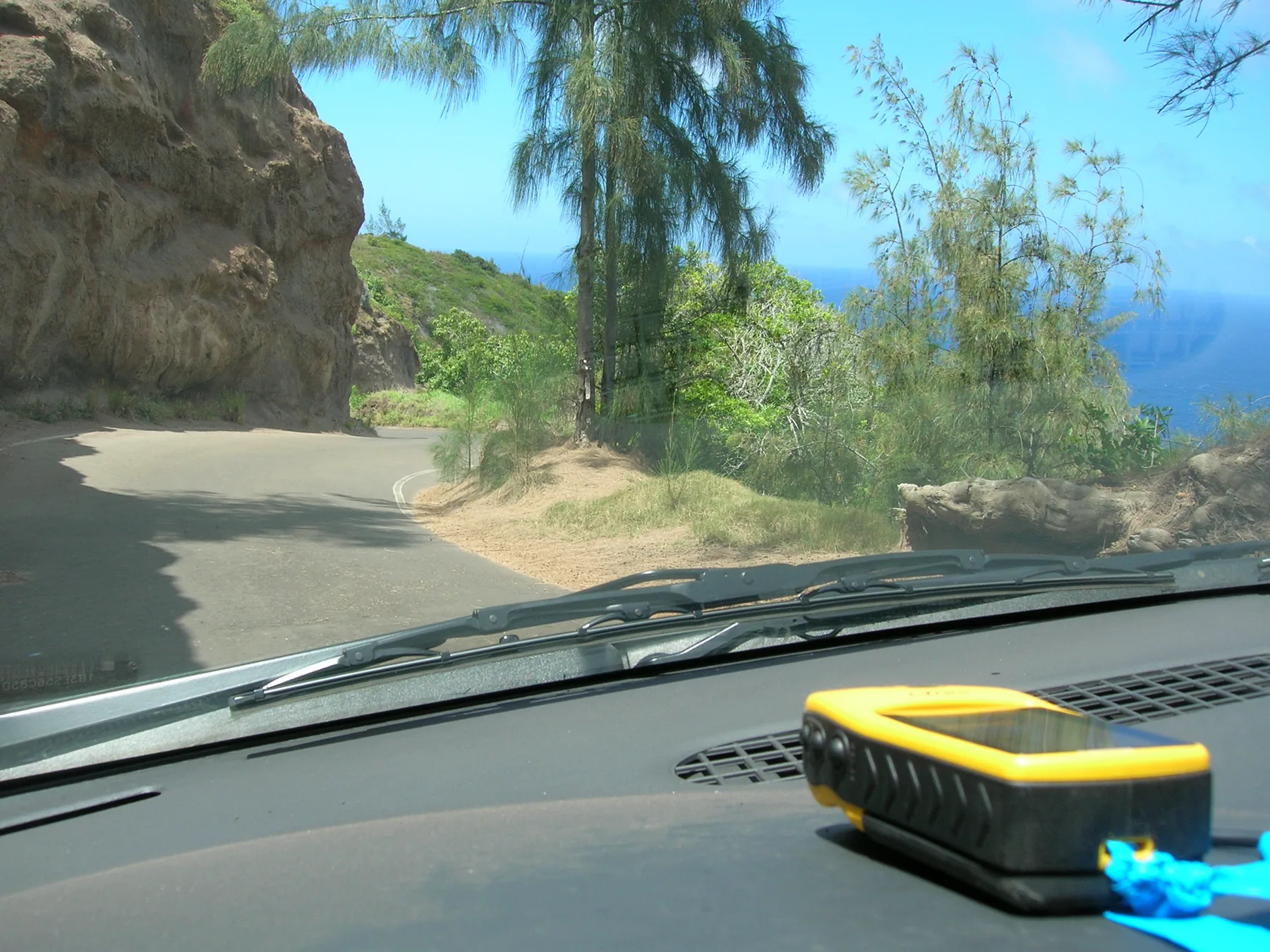
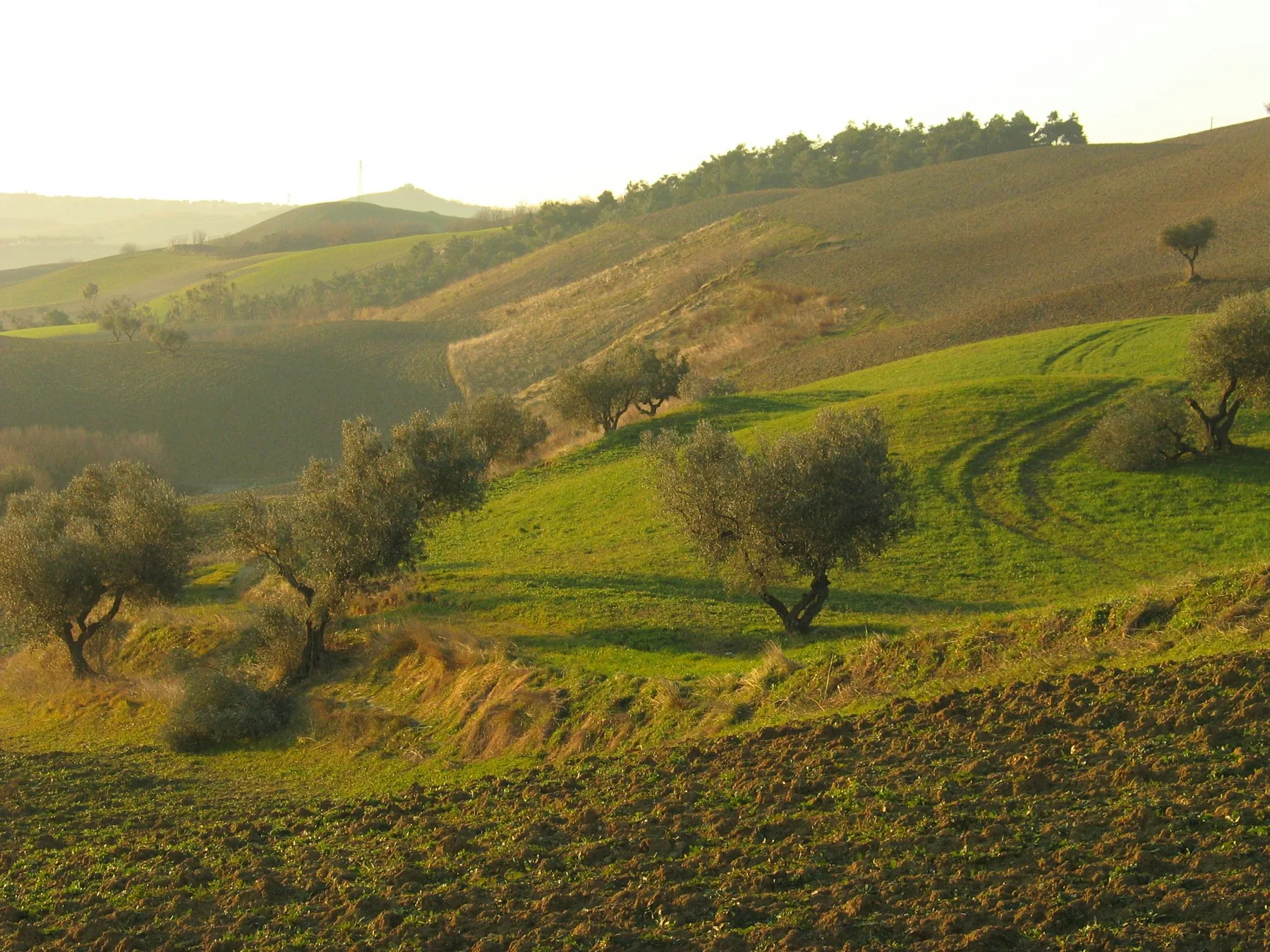
Strategically placed trees can help reduce wind exposure and provide shelter for selected cultivated areas. In open agricultural environments, that kind of protection can make a meaningful difference to crop stability and working conditions.
Windbreaks also help shape the layout of the farm, creating more controlled conditions for other crops and infrastructure.
Sustainability benefits
When appropriately planned and managed, Casuarina adds vegetation cover and supports more diverse use of developed land. It contributes to a more layered landscape where production and protection work together.
That makes the crop useful not only as a source of wood, but also as part of the farm’s environmental and operational balance.
Land development role
Casuarina forms part of an integrated plan in which productive planting, protection and infrastructure work together. Its value lies in the way it supports the rest of the agricultural system.
We view it as a practical component of responsible development: one that helps the land perform better over the long term.
Work with Alyusr